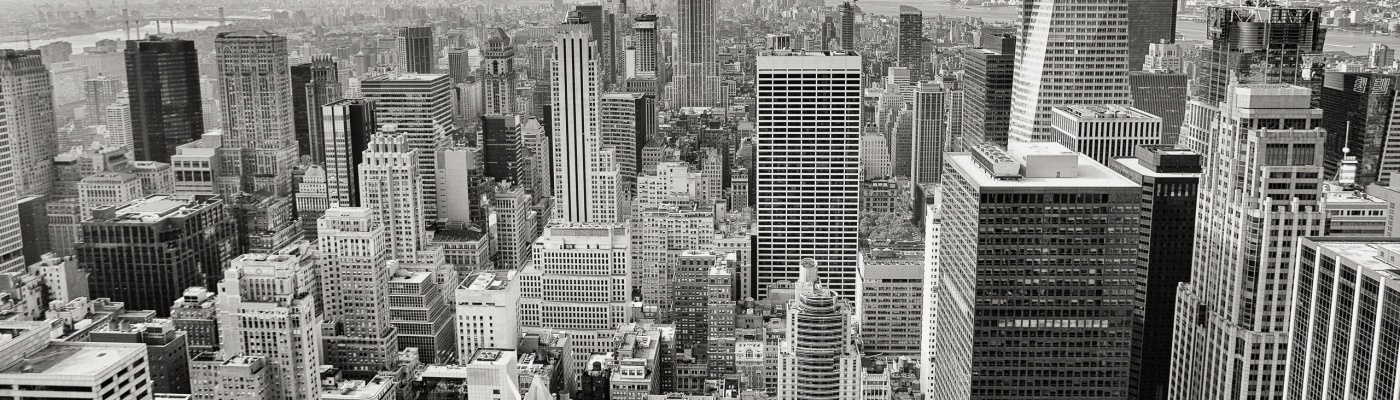
A focus on the idea of ambiguity in art can develop the idea of achieving the brain’s ability of constancy through design. Neurobiologist Semir Zeki writes that Johannes Vermeer’s painting, ‘A Man and Woman at the Virginal (Buckingham Palace)’ attains its splendour from the way in which its artistic prowess generates ambiguity amongst the viewer. The suggestion is that the representational depiction simultaneously represents several truths, each as valid as the other. (ADD somehting here about visual brain developing early?). The suggestion in various representational arts is that the different scenarios assumed by different observers each have equal validity. Through memories of past events, the brain creates the ideals of situations. The ambiguity, evoking equal validity of multiple scenarios, enables satisfaction of many ‘ideals’. Studies have demonstrated that there is a critical period for visual development and that by the age of 4, the visual brain is highly developed with a deep knowledge of the objective world. Intrinsically, the ambiguity in art and design can be dependent on the introspective thought of a visual brain sufficiently acquainted with the objective world. As such, ambiguity in art could be the most accurate representation of the brain’s ability of constancy, as the depiction is applicable to many situations rather than a singular instance.
Many artists often wish that they could view things, for the purpose of artistic representation, through the mind of a child. As it turns out, a child is actually visually acquainted with the objective world at a very young age; perhaps to view the objective world as a blind man or newborn could provide the perspective desired.
Real world application problems: One problem is that in marketing/advertising ambiguity can be unnecessary and irrelevant. While this website has no intended purpose of marketing, the creations do align with a neurological/philosophical consideration for advertising. If a seller has a product/service they want to sell then they most likely want to be rather specific about what the customer can expect. However, there is a level of ambiguity which can be promoted into a company’s range of products. For example, a design can be clear about the products e.g. holidays. but evoke ambiguity in the destination.
Ambiguity in representational art does not come from the object but from the viewer and the journey of the development of their visual brains. As such, the following designs attempt to evoke ambiguity to achieve constancies, tapping into the viewer’s ideals.

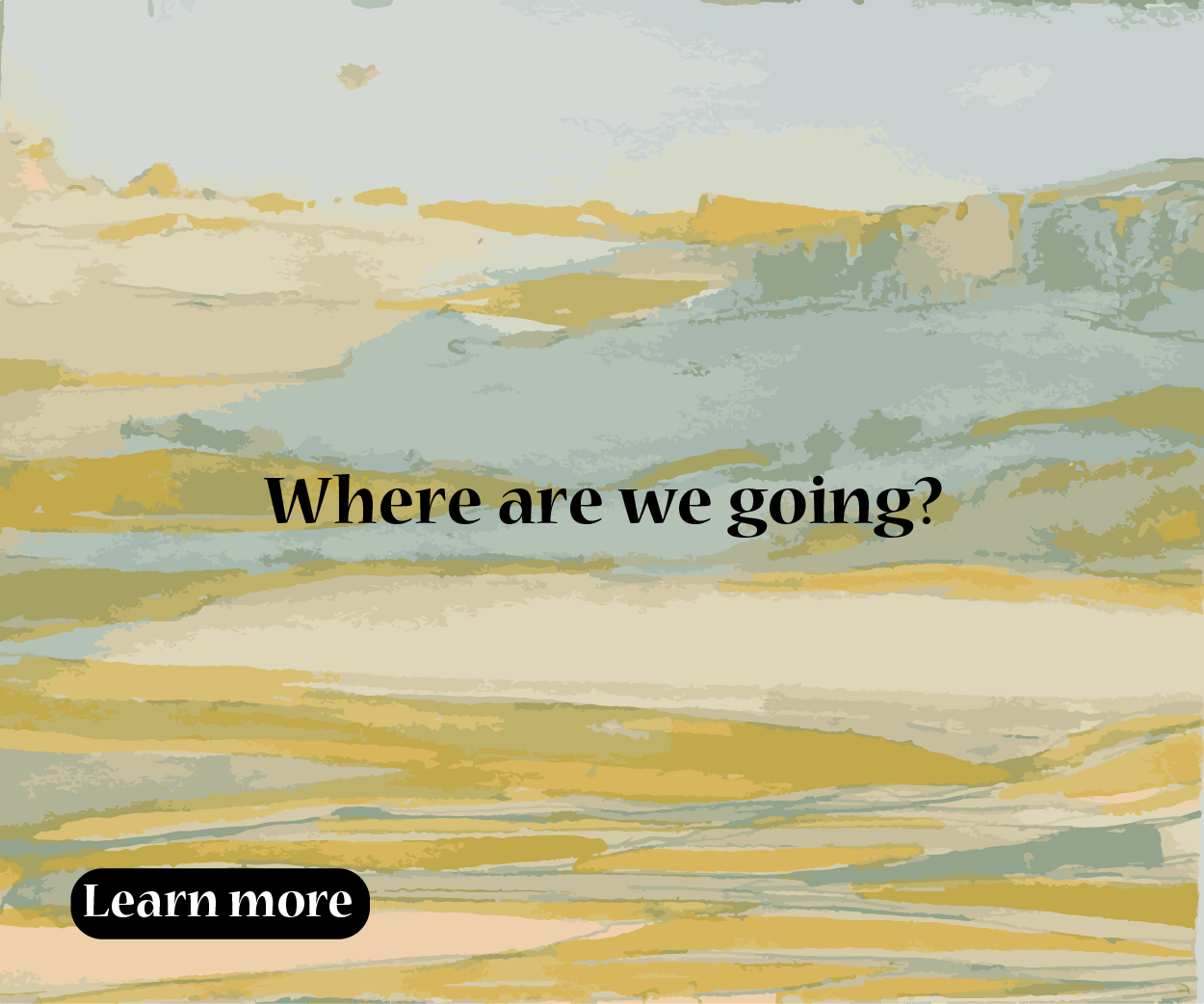
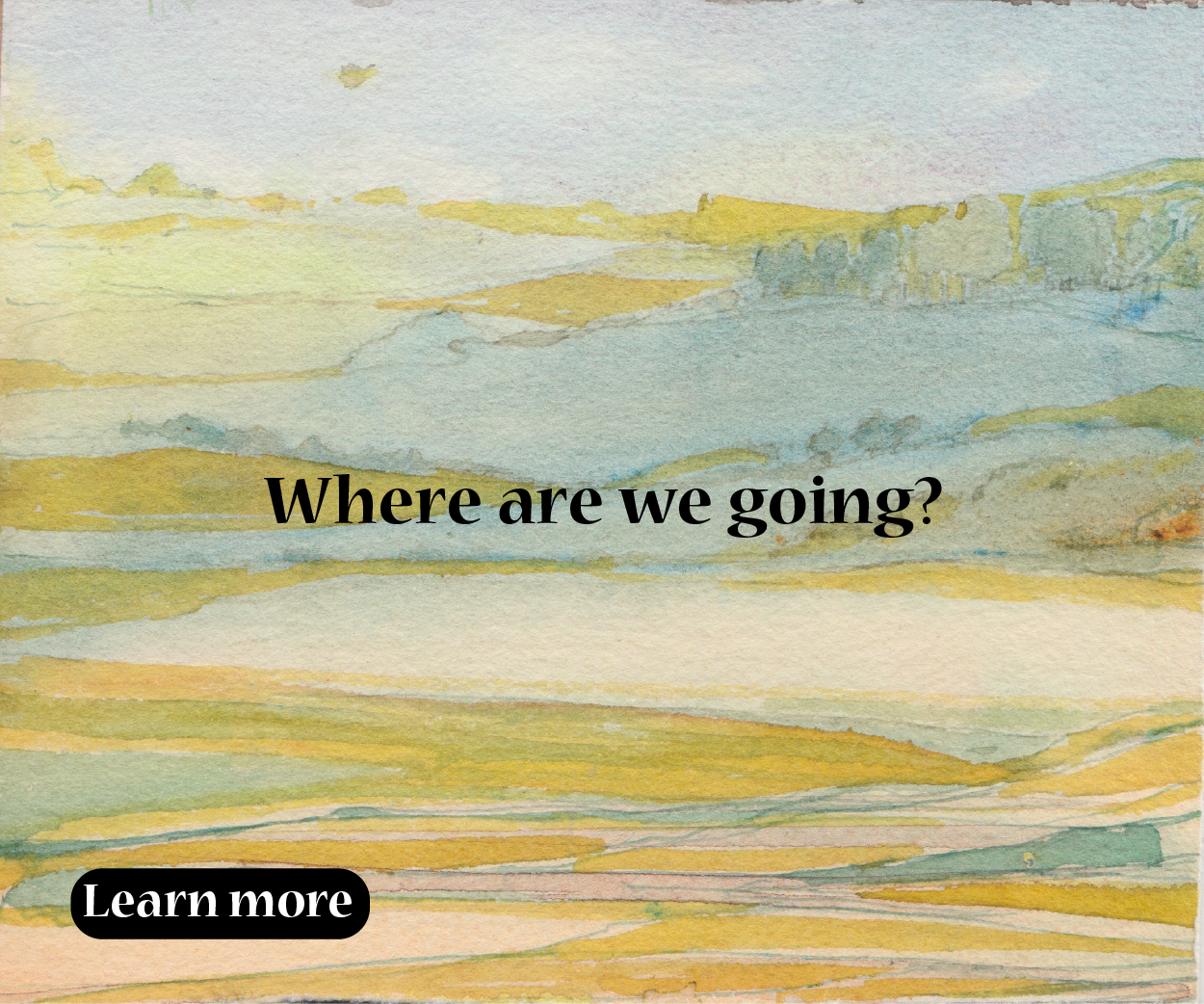

This design invokes ambiguity in a different manner. The premise uses the concept to display vocational differences and as such can act as a graphic for recruitment businesses, such as Indeed.





 Philosophy & Neuroscience in Graphic Design