
Our visual attention is a phenomenon of our visual experience. Focusing on specific information and removing clutter is of vital importance to achieving our goals and not becoming overwhelmed with the amount of content.
Our visual attention is limited and our brains simply can’t capture all of the information at once. How we determine what information to attend to can be explained in part by two theories of attention: bottom-up and top-down attention.
Bottom up attention refers to attractions in our visual field that automatically grab our attention. For example, contrast, brightness or movement. This occurs as there are certain receptors in the visual system that respond directly to these characteristics. Through this signalling, they engage visual attention through the thalamus and eventually the primary visual cortex.
Top-down attention refers to the focus of our mental cognition when engaging with a visual search task. We consciously focus our attentional resources on finding something specific within our visual field. This attention causes activation in a different network; the frontal and parietal parts of the brain modulate the activation of the visual cortex.
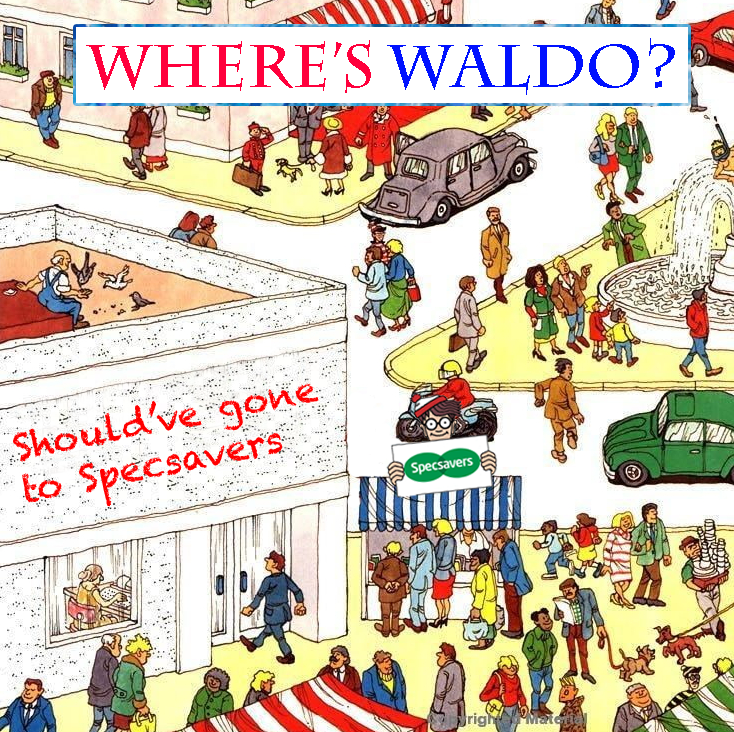
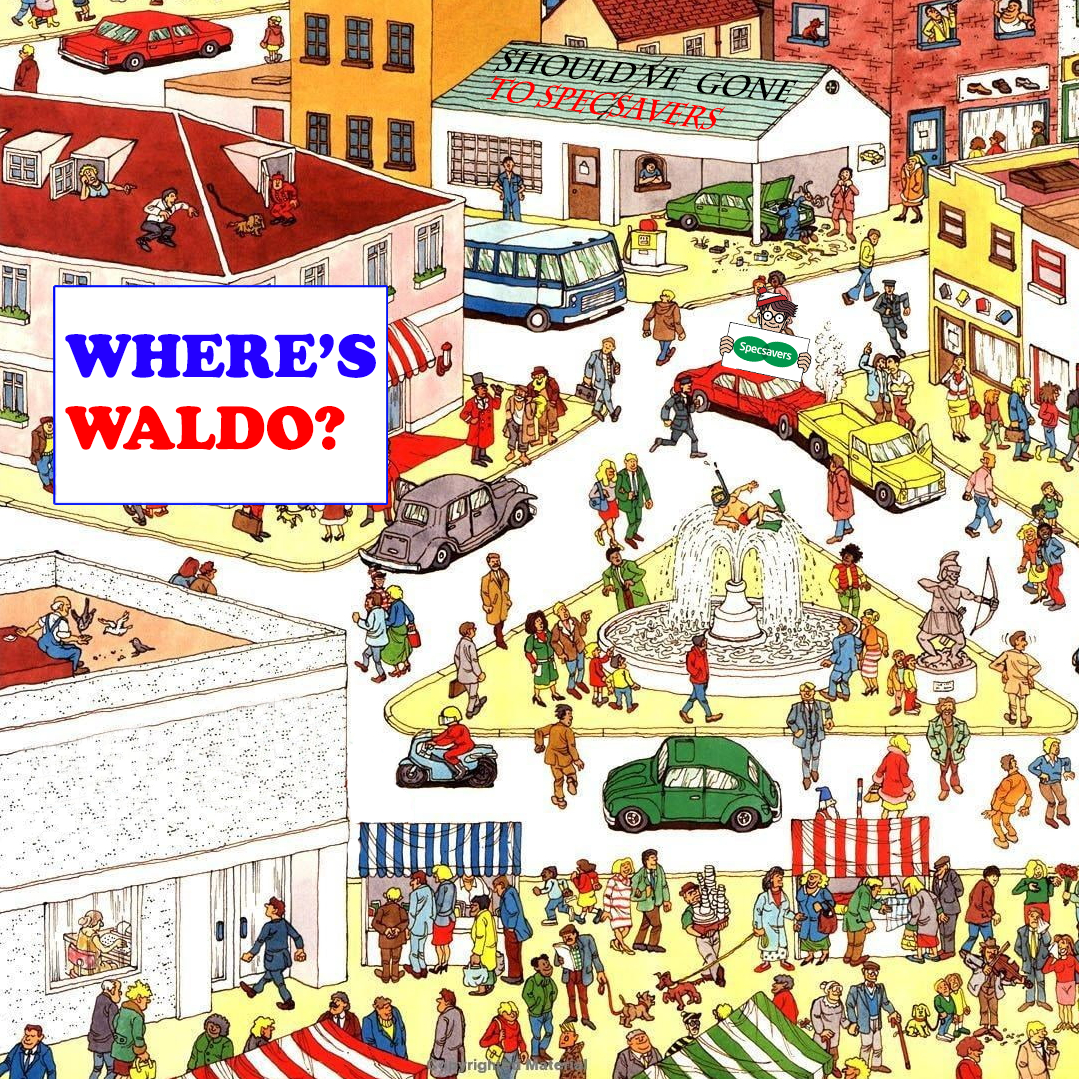
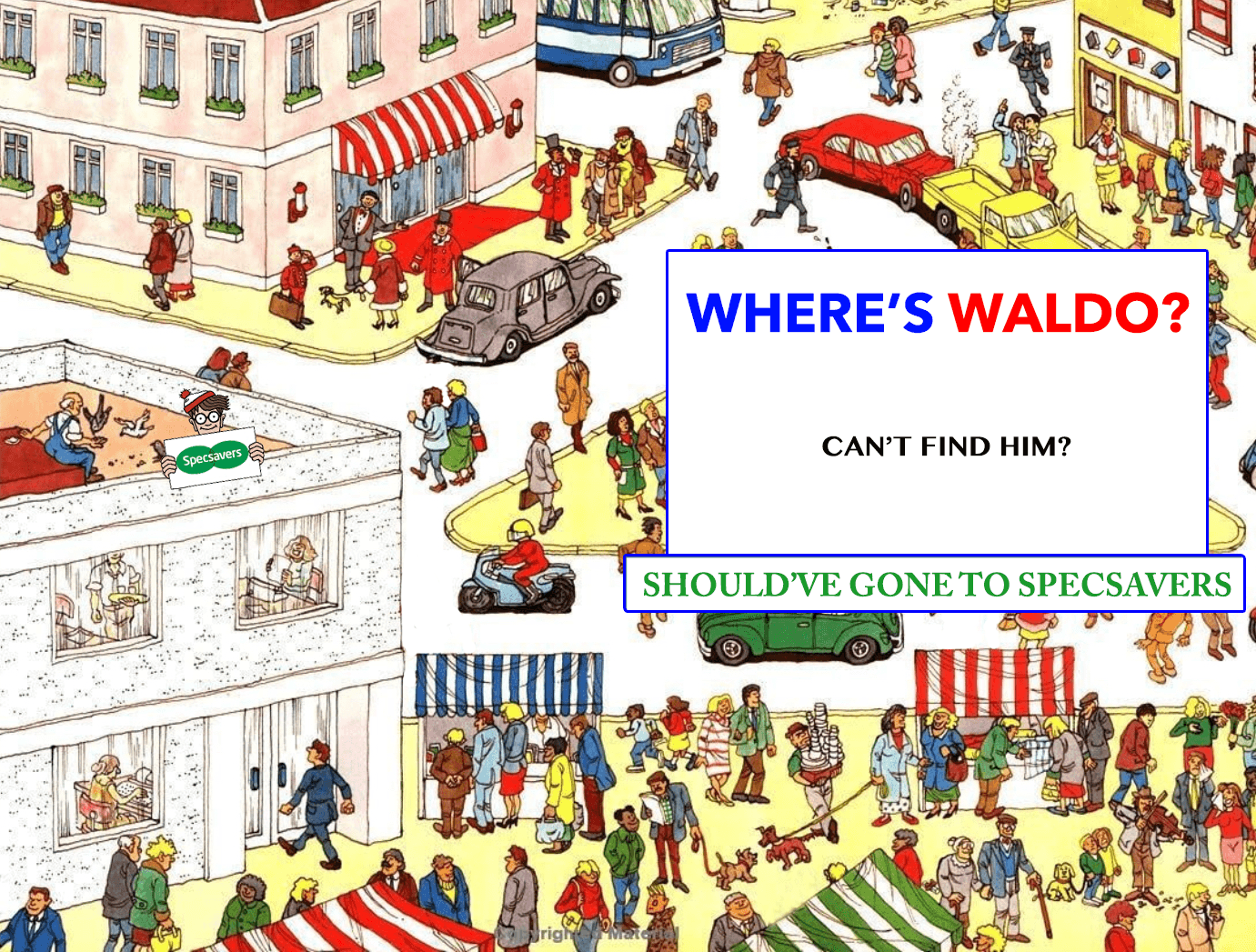
Both of these types of attention can be utilised in marketing and graphic design. The proceeding designs utilise our two modes of attention through the picture hunt ‘Where’s Waldo’. Whilst these well known picture books already seemingly activate our two categories of attention, the design takes this further by introducing the task, ‘Where’s Waldo?’, and simultaneously activating bottom-up attention by introducing salient text. The graphic attempts to draw the viewer’s attention to the text, whilst they are focused on the task at hand. Once the task has been completed, the graphic heightens the effect of the advertisement.
 Philosophy & Neuroscience in Graphic Design